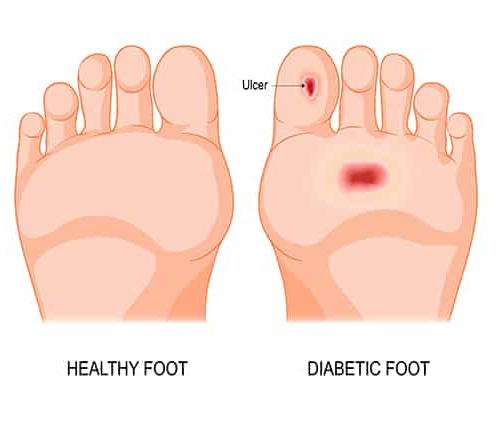
Addressing Foot Deformities: What to Do about Bunions?

Bunions can be painful and make it difficult to walk or exercise. To prevent them from getting worse, wear shoes with wide, supportive soles, enough room in the toe box, and a sturdy heel counter. Pedors shoes, made with Pedoprene – a blend of neoprene and EVA – are specially designed to stretch and mold your foot, making them an excellent choice for those with foot deformities. The heat-moldable feature of Pedoprene allows for further customization, allowing you to relieve pressure on specific areas of your foot. With Pedors shoes, you can get the comfort and support you need to alleviate bunion pain and other foot deformities.

Here are some tips to relieve the pressure and pain:

  1. Wear the Right Shoes – Look for shoes with a wide, supportive sole and a roomy toe box to accommodate the bunion. A sturdy heel counter will also keep your foot snugly in place and in proper alignment.
  2. Keep Heels Low – Avoid high heels and opt for shoes with a heel height of one inch or less.

Why Choose Pedors Shoes?

If you’re looking for orthopedic shoes that can comfortably fit your bunions or hammertoes, Pedors Shoes might be the perfect solution for you. Here’s why:

  1. Pedoprene – Pedors Shoes are made of a unique blend of neoprene and EVA, which they call Pedoprene. This material is stretchy and will eventually conform to the shape of your foot like a glove.
  2. Heat Molding – Pedoprene is heat-moldable, meaning you can use a mold to relieve pressure in specific areas like bunion spots or hammertoes. It’s easy and fun to do, and you can start over if you make a mistake.
  3. Four-Way Stretch – Pedoprene is also a four-way stretch material that gives compression to reduce edema and accommodate forefoot deformities.

If you’re looking for comfortable shoes to manage your foot deformities, try Pedors Shoes with their unique Pedoprene material.

Contact Steady Gait Foot Clinic today!

How to Prevent and Treat Ingrown Toenails: A Comprehensive Guide

As one of the most common foot conditions, ingrown toenails affect millions of people every year. Not only are they painful, but they can also lead to infection if left untreated. Fortunately, there are several ways to prevent and treat ingrown toenails. In this article, we will discuss the causes of ingrown toenails, how to prevent them, and the best ways to treat them.

What Causes It?

Ingrown toenails can be caused by a variety of factors, including:

  • Wearing tight shoes that put pressure on the toes
  • Cutting toenails too short or rounding the corners
  • Injuring the toenail or surrounding area
  • Having naturally curved toenails
  • Having sweaty feet

Preventing Ingrown Toenails:

Prevention is key when it comes to ingrown toenails. Here are some tips to keep your toes healthy and avoid ingrown toenails:

  • Wear shoes that fit properly and don’t put pressure on your toes.
  • Trim your toenails straight across and avoid cutting them too short. Don’t round the corners, as this can cause the nail to grow into the skin.
  • Avoid injuring your toenails or the surrounding area. If you do injure yourself, keep the area clean and watch for signs of infection.
  • If you have naturally curved toenails, consider seeing a podiatrist to have them trimmed or corrected.
  • Keep your feet clean and dry, especially if you have sweaty feet.

Treating The Condition:

If you do develop an ingrown toenail, there are several ways to treat it:

  1. Soak Your Feet:

Soaking your feet in warm water can help reduce pain and swelling associated with ingrown toenails. Add Epsom salt to the water to help relieve inflammation and disinfect the area.

  1. Use Over-the-Counter Products:

There are several over-the-counter products available that can help relieve the pain of ingrown toenails. These include medicated pads, creams, and sprays. These products can help relieve pain and inflammation, but they are not a cure for ingrown toenails.

  1. Wear Open-Toed Shoes:

Wearing open-toed shoes can help relieve pressure on the toenail and allow it to heal. This is especially helpful if you have an infection or if the toenail is particularly painful.

  1. See a Podiatrist:

If your ingrown toenail is causing severe pain or if you have signs of infection, it’s important to see a podiatrist. They can help remove the part of the nail that is causing the problem and prescribe antibiotics if necessary. In severe cases, surgery may be required to remove the nail or part of the nail.

Ingrown toenails can be a painful and frustrating condition to deal with, but they can be prevented and treated. By following these simple tips, you can keep your toes healthy and avoid ingrown toenails. If you do develop an ingrown toenail, there are several treatment options available. Remember to seek help from a professional if your condition is severe or if you have signs of infection.

Flat Feet: Understanding the Condition and Finding the Right Footwear

Flat feet, or flatfoot, is a common condition where the arches on the inside of the feet flatten when pressure is put on them. This can cause a range of issues, including foot, ankle, leg, and back pain. In this article, we’ll take a closer look at why flat feet can be bad for your health, and what you can do to find the right footwear to help alleviate your symptoms.

Why Flat Feet are Bad for Your Health?

Flat feet occur when the arch of the foot is too low while in a standing position. When weight is applied, the foot flattens even further, putting the entire sole of the foot into contact with the ground. This lack of arch support can lead to a range of problems, including foot and ankle pain, chronic muscle strain, leg and back pain, and musculoskeletal problems.

Finding the Right Footwear for Flat Feet

If you suffer from flat feet, it’s important to find the right footwear to help support your feet and alleviate your symptoms. Here are some of the top features to look for when choosing orthopedic footwear:

  1. Orthotic support: Look for footwear with removable insoles that can be replaced with custom inserts to provide the greatest support for arches.
  2. Cushioning: Choose footwear with shock-absorbing materials to cushion the foot against impact and provide energy return for increased pain relief.
  3. Interior construction: Look for seam-free interiors to offer extra protection for those with sensitive feet.
  4. Wide toe box: Opt for footwear with a wide, round, and tall toe box to offer ample space for the toes to move biomechanically.
  5. Extra-depth: Look for shoes with added depth to create a relaxed fit for edema, high insteps, thicker socks, or orthotics.
  6. Outsole: Choose footwear with a durable outsole to provide traction and stability.
  7. Durability: Opt for shoes constructed with durable upper materials to withstand all weather conditions.
  8. Adjustability: Look for footwear with adjustability features such as laces, straps, and bungee cords to securely hold the feet.

Steady Gait offers a range of top-quality Orthopedic Footwear that feature premium orthotic insoles with anatomical arch support to prevent the foot from rolling inwards and enhance comfort from heel to toe. They also feature firm heel counters and wide, ergonomic soles to help increase stability and prevent overpronation. With lightweight cushioning soles and a mild rocker design, walking in these shoes for flat feet becomes a breeze. Additionally, they are engineered with extra depth to provide ample space for toe movements and accommodate custom orthotics.

Don’t settle for basic shoes found in department stores or online. Look for reputable, well-designed shoes to achieve proper alignment and alleviate your flat foot symptoms.

World Health Day: The Benefits of Exercise for Diabetic Patients

On April 7th, the world celebrates World Health Day, highlighting the importance of exercise and physical activity in maintaining good health. For patients with diabetes, exercise is especially crucial.

Regular exercise & safety measures

Regular exercise offers numerous health benefits, such as weight loss, improved blood pressure control, stronger bones, reduced rates of heart disease and cancer, and increased energy levels. People with diabetes can also experience unique advantages from exercising regularly, including improved insulin sensitivity and better blood sugar management.

However, it is essential to prioritize safety when starting a new exercise routine, especially if you have been inactive for some time. Speak to your doctor before beginning any strenuous exercise program, wear your MedicAlert bracelet or necklace, and listen to your body. If you take insulin or medications that increase insulin levels, monitor your blood sugar regularly.

Features to look for in shoes for diabetics

For people with diabetes, selecting the right footwear is critical. Shoes should have a seamless and padded interior to prevent irritation and foot health issues like sores or ulcers. The uppers should be non-binding and stretchable to accommodate swelling, and the toe box should be high and wide for extra room and less pressure. It is also helpful to choose shoes with ergonomic soles, adjustability features, and multiple widths. By selecting the proper shoes and maintaining a safe exercise routine, people with diabetes can improve their overall fitness and health.

The Benefits of Custom Orthotics for Foot Pain and Alignment

Custom orthotics are specialized shoe inserts that are designed to improve foot function and alleviate pain. They are often prescribed by podiatrists for patients who suffer from foot and ankle problems. In this article, we will discuss the benefits of custom orthotics for foot pain and alignment.

What are Custom Orthotics?

Custom orthotics are devices that are designed to fit the specific shape and structure of an individual’s foot. They are made from a mold or scan of the patient’s foot and can be customized to address specific foot and ankle problems.

What are their benefits?

Custom orthotics offer a variety of benefits for foot pain and alignment, including:

  1. Pain relief: They can help alleviate foot pain and discomfort by redistributing pressure and improving foot function. They can also help reduce strain on the muscles and joints, which can improve overall foot health and mobility.
  2. Improved foot alignment: They can help correct issues with foot alignment, such as overpronation or supination. This can help reduce the risk of injuries and improve overall foot and ankle function.
  3. Improved athletic performance: They can help athletes improve their performance by reducing the risk of injuries and improving foot function. They can also provide added support and cushioning for high-impact activities.
  4. Increased comfort: They are designed to fit the specific shape and structure of an individual’s foot, providing a comfortable and supportive fit. This can help reduce foot fatigue and improve overall comfort while walking or standing.
  5. Reduced risk of complications: They can help reduce the risk of complications associated with foot and ankle problems, such as bunions, plantar fasciitis, and Achilles tendonitis. By improving foot function and alignment, custom orthotics can help prevent these conditions from developing or worsening.

How are they made?

Custom orthotics are made from a mold or scan of the patient’s foot. The podiatrist will take an impression of the foot using a foam or plaster cast, or a digital scan. This impression is then sent to a laboratory, where the custom orthotics are manufactured using specialized materials and techniques.

Different types of orthotics

There are two main types of custom orthotics: functional and accommodative. Functional orthotics are designed to improve foot function and alignment, while accommodative orthotics are designed to provide cushioning and support for the foot.

Functional orthotics are often recommended for patients with conditions such as flat feet, high arches, or overpronation. They are designed to control foot motion and improve alignment, reducing the risk of injuries and improving foot function.

Accommodative orthotics are often recommended for patients with conditions such as arthritis or diabetic neuropathy. They are designed to provide cushioning and support for the foot, reducing pressure and improving overall comfort.

Custom orthotics are an effective treatment option for foot pain and alignment problems. They offer a variety of benefits, including pain relief, improved foot alignment, increased comfort, and reduced risk of complications. If you are experiencing foot pain or discomfort, consider visiting Steady Gait Clinic in Scarborough. Our experienced podiatrists can provide a comprehensive evaluation and personalized treatment plan to help get you back on your feet. Don’t let foot pain hold you back from living your best life. Contact us today to schedule an appointment.

Foot Health: The Key to Overall Wellness

Our feet play an important role in our daily lives, allowing us to stand, walk, and run. They are also responsible for supporting our body weight and maintaining balance. However, many people neglect their foot health, which can lead to a range of problems. In this article, we’ll explore the importance of foot health and how it can impact your overall well-being.

Why The Health of Your Feet is Important?

The feet are a complex system of bones, muscles, tendons, and ligaments, all of which work together to support your body weight and allow you to move. When your feet are healthy, you can move around with ease and without pain. However, when your feet are not healthy, you may experience a range of problems, including:

  • Foot pain and discomfort
  • Limited mobility
  • Poor balance and stability
  • Falls and injuries
  • Increased risk of developing other health conditions such as arthritis and diabetes.

Factors That Affect Foot Health

Several factors can affect the health of your feet including:

  • Age: As we age, our feet undergo natural wear and tear, which can lead to foot problems.
  • Weight: Excess weight can put extra pressure on your feet, leading to foot pain and discomfort.
  • Footwear: Wearing ill-fitting or uncomfortable shoes can cause foot problems.
  • Genetics: Some foot problems can be hereditary and run in families.

Maintaining Good Foot Health

For your feet to be in good health, you should take the following steps:

  • Wear comfortable and well-fitting shoes that provide adequate support for your feet.
  • Maintain good hygiene, such as washing your feet regularly and keeping your toenails trimmed.
  • Stretch your feet and toes regularly to improve flexibility and reduce the risk of injury.
  • Maintain a healthy weight to reduce the pressure on your feet.
  • Visit a podiatrist regularly to diagnose and treat foot problems.

How Steady Gait Foot Clinic Can Help?

We specialize in foot-related issues and offer a range of services to help you maintain healthy feet. Our team of experienced podiatrists can diagnose and treat foot problems, provide custom orthotics, and offer advice on how to maintain good foot health. Whether you’re experiencing foot pain or discomfort or looking to maintain good foot health, we’re here to help.

Taking care of your feet is essential for maintaining overall health and well-being. By maintaining good foot health, you can reduce the risk of foot problems and other health conditions, and enjoy a pain-free, active lifestyle. If you’re experiencing foot problems or looking to maintain good foot health, contact Steady Gait Foot Clinic today to schedule a consultation with one of our expert podiatrists.

Choosing The Right Shoes For Various Activities

Choosing the right shoes for different types of activities is crucial for maintaining good foot health and preventing injury. The type of shoe that is best for a particular activity depends on the demands of the activity, the surface on which it is performed, and the individual’s foot type and gait. In this article, we will explore the different types of shoes that are best for various activities and provide guidance on how to choose the right shoe for your needs.

Running Shoes

Running is a high-impact activity that places a lot of stress on the feet and joints. A good pair of running shoes provide cushioning and support to absorb shock and reduce the risk of injury. When choosing running shoes, look for ones that fit well and have good arch support, as well as adequate cushioning in the heel and forefoot. The sole of the shoe should also have a good grip to prevent slipping on wet or uneven surfaces. It’s important to replace running shoes every 300 to 500 miles, as the cushioning and support will start to break down with use.

Walking Shoes

Walking is a low-impact activity that is ideal for people of all ages and fitness levels. When choosing walking shoes, look for ones that are comfortable and supportive, with good arch support and cushioning in the heel and forefoot. The sole of the shoe should be flexible to allow for natural foot movement, but also sturdy enough to provide stability on uneven surfaces. If you plan to walk on trails or other uneven surfaces, choose shoes with good traction to prevent slipping.

Cross-Training Shoes

Cross-training shoes are designed for activities that involve a combination of running, jumping, and other high-impact movements. They provide good support and cushioning for the feet and are versatile enough to handle a range of different activities. When choosing cross-training shoes, look for ones that have good lateral support to prevent ankle sprains and other injuries that can occur during side-to-side movements. The sole of the shoe should also be flexible to allow for natural foot movement, but also sturdy enough to provide stability during high-impact activities.

Basketball Shoes

Basketball is a high-impact sport that involves a lot of jumping and lateral movements. A good pair of basketball shoes provide support and stability for the feet and ankles, as well as good traction on the court. When choosing basketball shoes, look for ones that have good ankle support to prevent sprains and other injuries. The sole of the shoe should be sturdy and provide good traction to prevent slipping on the court.

Soccer Cleats

Soccer is a sport that requires a lot of running, jumping, and quick changes of direction. Soccer cleats provide good traction on the field, allowing players to make quick movements and change direction without slipping. When choosing soccer cleats, look for ones that fit well and have good support for the feet and ankles. The cleats should also be appropriate for the surface on which you will be playing, as different types of cleats are designed for different surfaces.

Hiking Boots

Hiking is an activity that involves a lot of walking on uneven terrain. Hiking boots provide good support and stability for the feet, as well as good traction on rough terrain. When choosing hiking boots, look for ones that are sturdy and have good ankle support to prevent sprains and other injuries. The sole of the boot should be thick and provide good traction on rough terrain.

Sandals

Sandals are a popular footwear choice during the summer months, but not all sandals are created equal. When choosing sandals, look for ones that provide good support for the feet and have a sturdy sole to provide protection from rough or uneven surfaces. Avoid sandals with flat soles or no arch support, as these can lead to foot pain and other issues.

In conclusion, choosing the right shoes for different types of activities is essential for maintaining good foot health and preventing injury. The right shoe can provide the support and cushioning needed to protect your feet during high-impact activities, while also providing the stability and traction needed for uneven terrain. With so many different types of shoes available, it can be overwhelming to choose the right pair for your needs.

If you’re unsure about which shoes are right for you, consider getting a professional fitting at a specialty shoe store. A knowledgeable salesperson can help you find the right shoe for your foot type and the activities you enjoy. They can also assess your gait and recommend shoes that provide the support you need to maintain good alignment and prevent injury.

It’s important to remember that shoes are not one-size-fits-all. What works for one person may not work for another, even if they enjoy the same activities. When choosing shoes, focus on finding a pair that fits well and provides the support and cushioning you need to stay comfortable and injury-free.

If you’re looking for help choosing the right shoes for your needs, Steady Gait in Scarborough can help. We offer a wide range of shoes for various activities and foot types, and our knowledgeable staff can help you find the perfect pair. Contact us today to schedule a fitting and start taking better care of your feet.

Soft Versus Rigid Orthotics

To treat various foot conditions, custom orthotics is a prescription from a doctor for shoe or heel inserts. Orthotics can correct foot deformities and improve the function of feet and ankles, as well as reduce injury risk. They can be recommended by podiatrists for patients with arthritis, bunions or flat feet, high arches, hammertoes, heel spurs, as well as plantar fasciitis. How stiff the orthotic is will depend on what material it is made from.

Rigid orthotics, which are made from hard plastics or carbon fiber, provide greater stability and support but can be more uncomfortable than their softer version. Because they are designed to bend with your feet, soft orthotics can be more flexible. Different foot conditions will suit different types of orthotics.

For those with plantar fasciitis and Achilles tendonitis, rigid orthotics can be a good choice. Although this type of orthotic is more difficult to adjust to, it becomes more comfortable over time. EVA, a rubber-like material, is used to make soft orthotics. They fit closer against the foot than rigid orthotics. Because they mold to the foot and cushion any sore spots, they are great for people with heel pain. For those who engage in high-impact sports that require quick movements of the feet, soft orthotics can be a good choice. Consultation with a podiatrist will help you decide which type of orthotic to use. They are skilled in diagnosing foot problems and can offer treatment options that best suit your needs.

Contact our Foot Clinic if you have foot pain or discomfort. Our foot specialist will provide you with the care that you need to keep your feet healthy and pain-free.

What are Orthotics?

They can be placed inside your shoes to treat a variety of foot problems, such as flat feet and foot pain. Orthotics can also provide comfort and relief for minor foot or heel pain, but they won’t fix any serious biomechanical issues in your feet.

Over the-the-Counter Inserts

There are many options for orthotics that can be used to treat minor issues such as heel pain, foot pain, or even flat feet. To correct flat feet or overarched feet, you can insert arch supports into your shoes. Gel insoles provide relief and comfort by relieving pressure on the heel and foot.

Prescription Orthotics

If you are unable to use the over-the-counter products or have more serious foot problems, your podiatrist can prescribe custom orthotics. These inserts of high quality are made to address problems like abnormal motion, plantar fasciitis, and severe heel pain. These inserts can be used to treat foot ulcers and painful calluses in diabetic patients. They are custom-molded to fit your feet, providing full support and comfort.

Talk to your podiatrist if you have severe heel or foot pain. Your podiatrist will help you determine the right orthotic for you, and guide you in your journey to pain-free living.

For any questions, please contact our Foot Clinic in Scarborough, Ontario. We provide the most up-to-date diagnostic and treatment technology for your foot and ankle.

Why Do Toenails Become Discolored?

Even the perfect “little piggies”, can look a little sickly at some points in life. It can be distressing to see discolored toenails as not only look aesthetically unpleasing but can affect the way you walk.

The actual dislocation color can help you identify the root cause and direct you to the best treatment. While many foot problems can be treated at home, some require specialist treatment.

Darker Colors

Nail fungus and injuries can appear in darker colors like purple, dark green, or black.

Subdural hemorrhage 

Sounds frightening, but it is often caused by bruising, such as picking at your toenails or stumbling on your shoes. Subdural hemomatomas can also be suspected if the entire nail bed suddenly changes to purple or dark red, then turns black or brown later.

Subdural hemorrhage can be treated with time. However, you can aid the process by applying icing to the affected area and resting your feet as much as you can. To reduce pressure on the toes, you can change your footwear.


Toenail fungal infection

Can cause a darkening of the nails, causing them to look blackish or brownish-red. Toenail fungal infection usually begins under your tip. It is often a yellow or white splotch you don’t notice until the color starts to spread. Other problems include crumbling and thickened nails.

When feet are left in moist and dark environments, the fungus can grow. You may be at greater risk if your feet sweat naturally when you wear shoes. Toenail fungus can also be more severe in athletes and older people.

Nail fungus can often be treated with over-the-counter medications. If the nail thickens, becomes brittle, or you notice a foul-smelling odor, prescription medication may be necessary. You can get tips from your specialist about how to prevent future infections by changing your footwear and hygiene habits.

Any red or black lines running down your toenail could indicate a serious condition and should be reported immediately to your doctor along with any other symptoms.

Use lighter colors

Nail fungus can present yellowish or white as well, particularly in the early stages. OTC products can be effective if caught in the early stage of nail fungus.

Another condition is yellow nail syndrome. This condition does not respond to medication but can often go away on its own. Yellow nail syndrome is characterized by deep ridges and thickening of the nails.

An ingrown nail that has penetrated the flesh may cause red or lightened areas to appear on the sides or top of your foot. You should contact your doctor if you feel any pain or notice any discharge.

Leukonychia is a condition that causes white streaks on your toenails or your entire nail plate to turn white. This condition affects the production of keratin, a protein in the body that helps maintain healthy nails, hair, and skin. It’s possible that there is an underlying condition that causes leukonychia. A foot specialist should be consulted for a thorough evaluation.

Contact our Foot Clinic if you are experiencing discolored toenails. Our team will provide a professional diagnosis and recommend a treatment plan to get you back to painless walking with beach-ready toenails.

How To Make Your Running Shoes Fit?

A new pair of running shoes should fit snugly and feel good right out of the box. Modern running shoes do not require a break-in period, according to some. It is important to properly break in your new shoes and allow them to adapt to your feet.

The first step in the process is finding the right shoes. You don’t want blisters or sore feet. Learn how to properly break in running shoes.

WHY DO NEW RUNNING SHOES NEED BREAKING IN?

Breaking in new shoes is necessary for the material to adjust to your foot shape. This will prevent you from getting foot injuries like:

  • Blisters are fluid-filled pockets that result from the friction between your skin and shoe material.
  • Hot Feet: The friction between your shoes and your feet can cause blistering and swelling.
  • Corns: These painful, hard bumps are caused by excessive friction or pressure at a specific spot on your feet. They usually appear between the and on top of your toes.
  • Calluses are similar to corns and appear mostly on the sole and heel. These can also be caused by excessive chafing between your feet and the shoes.

Regardless of the quality, even the best-running shoes need to be broken in.

HOW LONG DOES IT TAKE TO BREAK IN NEW RUNNING SHOES?

It takes about a week for your new running shoes to adjust to your feet. The length of the adjustment process depends on many factors.

  • How often do you wear them?
  • Type of shoe
  • How to break them in

HOW TO BREAK INTO RUNNING HOOSES

1. Take a walk in the mountains

It is important to test them out before you go for your first run in a new pair of shoes. This will help you to determine if they fit properly and allow them to adjust to your feet.

Take at least three steps in your new shoes. While you’re doing this, be aware of any indications that your shoes may not be the right fit. Including:

  • The toe box isn’t tall enough or wide enough. You should still have room to move your toes.
  • They cannot be taken off without untying them completely
  • They won’t bend or crease at your feet’s flexing points. To make sure they do, bend your toes while you’re wearing the shoe.
  • After walking for a while, your toes feel numb.

These symptoms may be a sign that you are wearing the wrong size or shoes.

2. Take a short run in them

It is one of the fastest ways to get your new shoes in shape. Make sure you don’t run a marathon your first time running in your new shoes!

You can test the shoes by going on a short walk. Before you move on to longer distances, make sure that your first few runs are short.

These are the signs that shoes are not fitting properly.

  • Your feet feel numb at the top. The reason for this is often due to your shoes being too tight.
  • The sensation of burning in your soles and toes is common. It could be that the soles of your shoes are too stiff.
  • A throbbing pain is felt in your knees
  • Even after running for a few kilometers, you feel a strong, deep, and constant pain in your feet.
  • You may feel sore areas where your shoes put pressure on your feet

These symptoms are signs that you need to change your shoes.

3. Wear Thicker Socks with Your Shoes

Proper running socks should be worn when going for a run. They should be made of a breathable, water-wicking fabric. To help your shoes fit better, you can wear thicker socks.

4. Freeze your shoes

Although it’s not the most common way to break in shoes, it is one that is very effective. This is a step-by-step guide to freezing your running shoes.

  1. Fill two freezer bags half-full with water
  2. Seal the bags by removing all air from them
  3. One bag should be placed in each shoe. Then, place the bag inside another bag. This will stop ice from building up in your running shoes.
  4. Put your shoes in the freezer for at least 3 hours.
  5. Take the shoes out of the freezer. Wait for the bags to come out easily.
  6. To feel the difference, try your shoes on.

5. Heat them

Although it is an unconventional approach, it has been shown to work. Running shoes that are heated will expand their fabric, which results in a better fit. Here’s how you can do it.

  1. To allow the shoes to adjust to your feet, you should wear them for at least 15 minutes
  2. For 2-5 minutes, heat them up with a hair dryer. This will allow the shoes to mold to your feet while they are still on your feet.
  3. Your softened shoes are comfortable to run or walk in

If you wish, you can heat them again. After heating them for the first time, let them cool down completely. They may become brittle if they are exposed to heat for too long.

FINAL THOUGHTS ABOUT BREAKING IN NEW RUNNING SHOES

Your breaking-in period will be shorter if you are replacing an old pair of shoes with the exact same style. However! You should break in the shoes properly before you replace them.

You shouldn’t toss your old shoes away. Alternating between shoes can help reduce strain and allow your feet to adjust to the new shoes.

For help in choosing the best pair of running shoes for you, consult your podiatrist.