
For patients suffering from chronic tendon problems, shock wave therapy is a potential treatment option. This procedure delivers shock waves to the body using either electromagnetic pulses or pressurized air. It can be used to treat a wide range of chronic conditions, including:
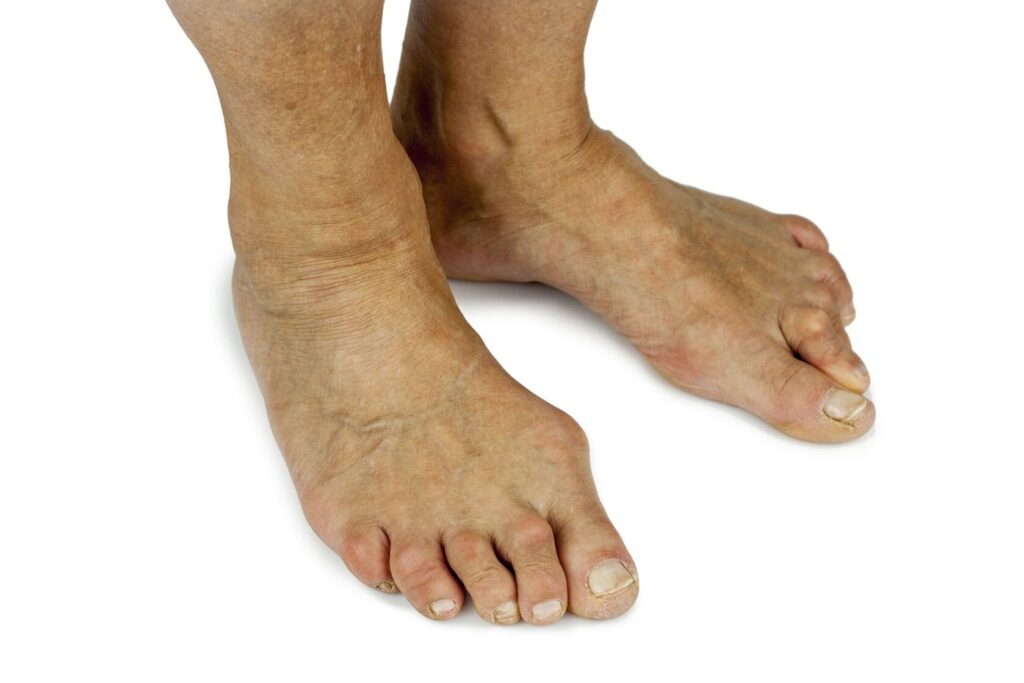
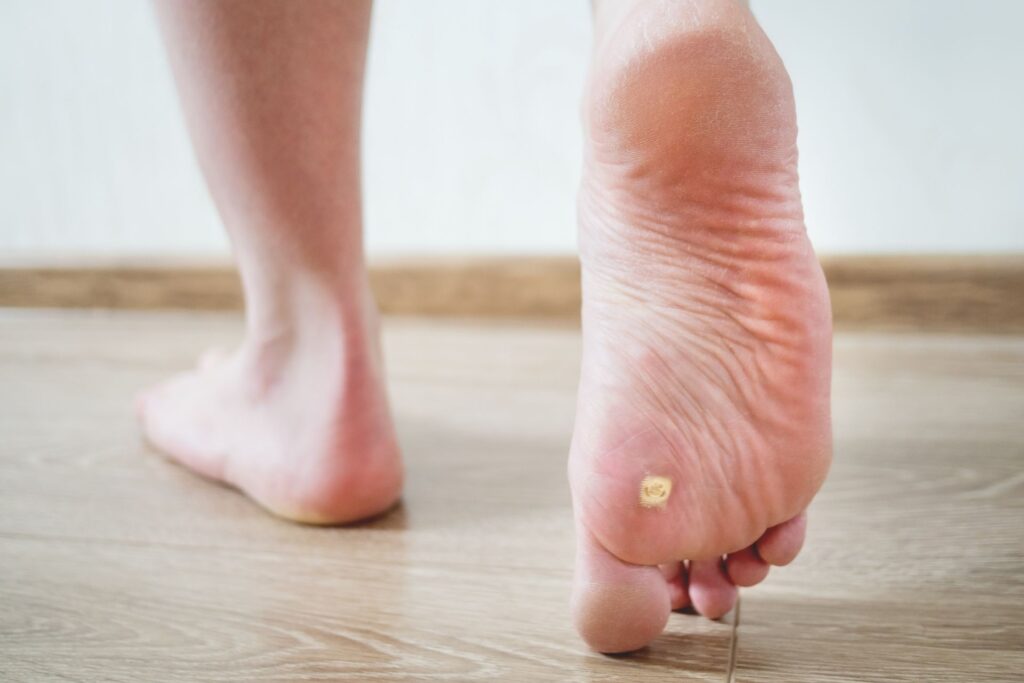
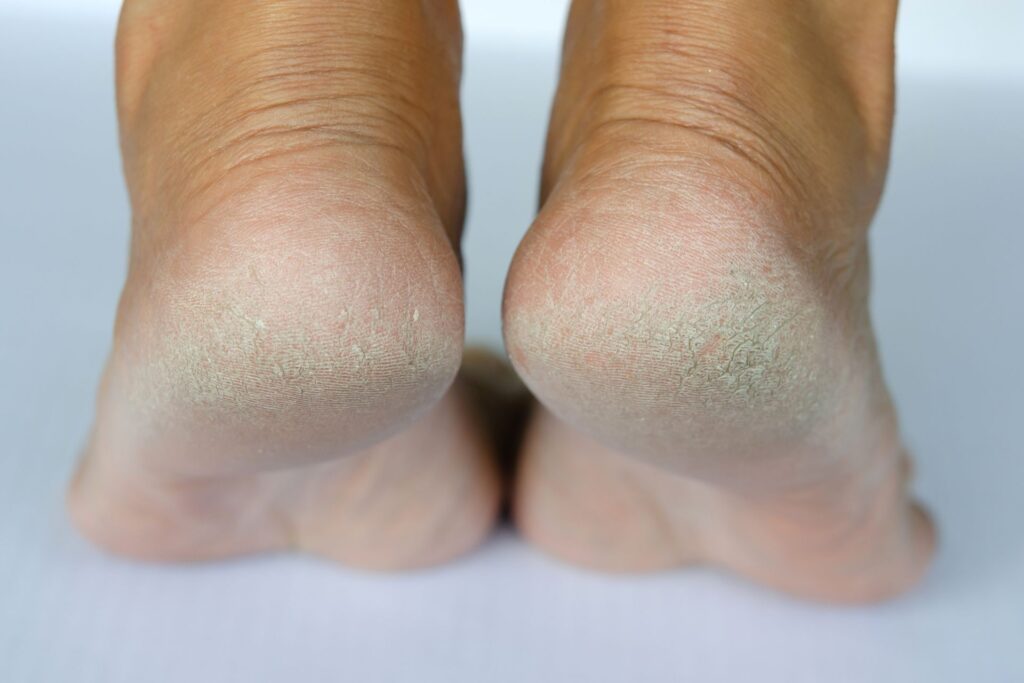
- Plantar fasciitis
- Calcific tendonitis
- Tennis elbow
How it works
Both a high-energy shock wave treatment and a low-energy version are available. These conditions can be treated with either one or both of the forms.
A series of low-energy shock wave treatments are given. Low-energy shock waves can be mildly or completely painless.
High-energy shock waves are administered in one session. High-energy shock waves can be quite painful and require some form of anesthesia. High-energy treatments can be administered using either general anesthesia or a region block.
Microtrauma is a technique that shock wave therapy uses to cause microtrauma in the affected tissue. The body’s healing response is initiated by microtrauma.
The healing response results in blood vessel formation and increased nutrient delivery to the affected area. Microtrauma is believed to trigger a healing process and alleviate the pain symptoms.
There are many treatment options
These conditions were first reported in 1996. Since then, many investigators have published positive results using shock waves to treat them. In 2000, the U.S. Food and Drug Administration approved the use of shock waves to treat plantar fasciitis.
Different versions of this technology have been created over the years to treat these and other musculoskeletal conditions.
Extracorporeal shockwave therapy (ESWT), which uses pressurized air technology to induce microtrauma, is different from focused shock wave treatment (FSWT), which uses electromagnetic pulses to produce the same effect.
Many studies have shown that these conditions can be treated with great success. There have been some studies that show positive results, especially for plantar fasciitis and calcific tendonitis.
There are many reports that show no difference in the results of standard treatments for these problems, but some have been less successful.
Pros
Shock wave treatment has the advantage of being noninvasive for difficult problems.
These challenges are why doctors continue to search for more effective treatments for patients who don’t respond well to simpler treatment options. Shock wave therapy is becoming more popular.
In 2017, a study published in Medicine found that ESWT is more likely to relieve chronic plantar fasciitis than any other treatment. However, FSWT’s benefits in treating plantar fasciitis are still unclear.
One of the most worrying aspects of surgery for conditions like plantar fasciitis is the possibility of serious complications. Shock wave therapy has not been associated with any serious complications.
Patients who undergo surgery are more at risk of ongoing pain, wound infections, and infection. ESWT has the main problem that not all patients can be cured.
Cons
Shock wave therapy can be very expensive and it remains to be proven effective. Each treatment can be expensive and may require multiple treatments depending on which form you choose.
The effectiveness of treatments is also questioned. The difference in the effectiveness of shockwave treatments is negligible.
Although there are many reports, not all of them are reliable. Even studies that demonstrate a positive effect of ESWT show only a small number of patients. Many patients will experience pain even after shock wave treatments.
Most health insurance companies will not cover shockwave therapy for musculoskeletal disorders due to a lack of evidence. Before you start treatment, make sure to review the terms of your policy.
Current Recommendations
It is not clear if shock wave therapy can be used to treat these conditions. The current recommendations for shock wave therapy are that it can be used safely for patients who have not been able to use conservative treatment and may need more invasive treatments.
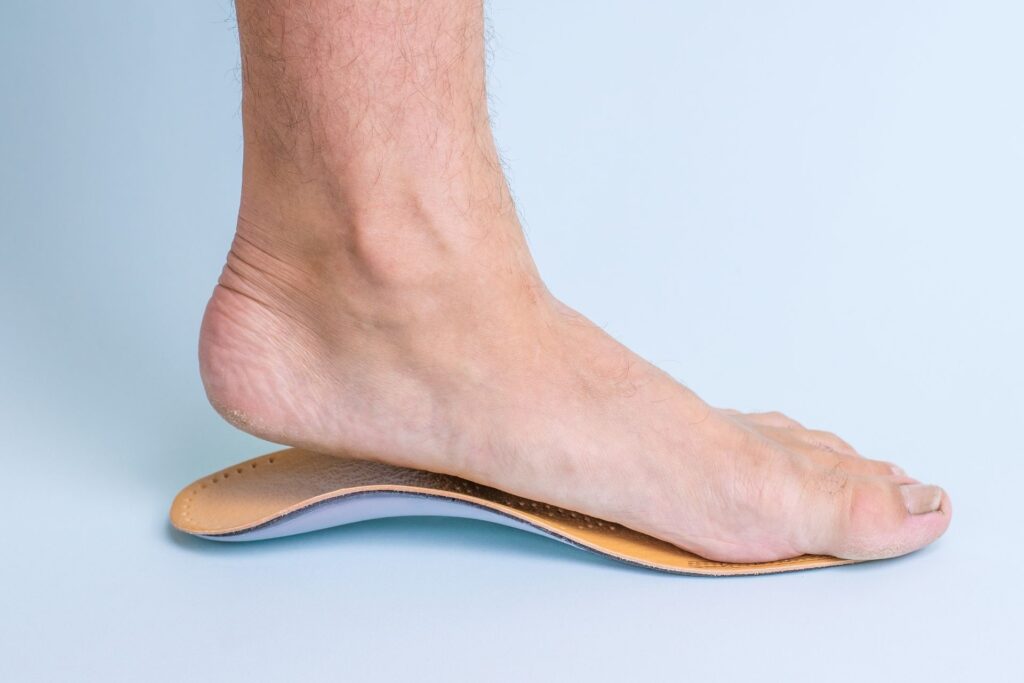
Patients should try other treatments for at least six months to one year before considering shockwave therapy. Plantar fasciitis patients often respond well to conservative treatments that include medication, ice treatment, exercises, and shoe inserts.
It has been suggested that shockwave therapy should be administered over a period between six and one years in order to be effective. 3
Shock wave therapy may be beneficial for patients who are not able to succeed with traditional treatments. It’s a good option to consider ESWT before undergoing surgery. ESWT has very few side effects.
Shock wave therapy is an alternative to surgery for patients with chronic plantar fasciitis.