
Healthy feet are important for keeping you active, no matter what season it is. Many people associate foot problems with summer. If the feet aren’t properly taken care of, foot problems can occur in winter as well. Winter sports injuries include calluses, blisters, strains, and sprains.
Hitting the Slopes
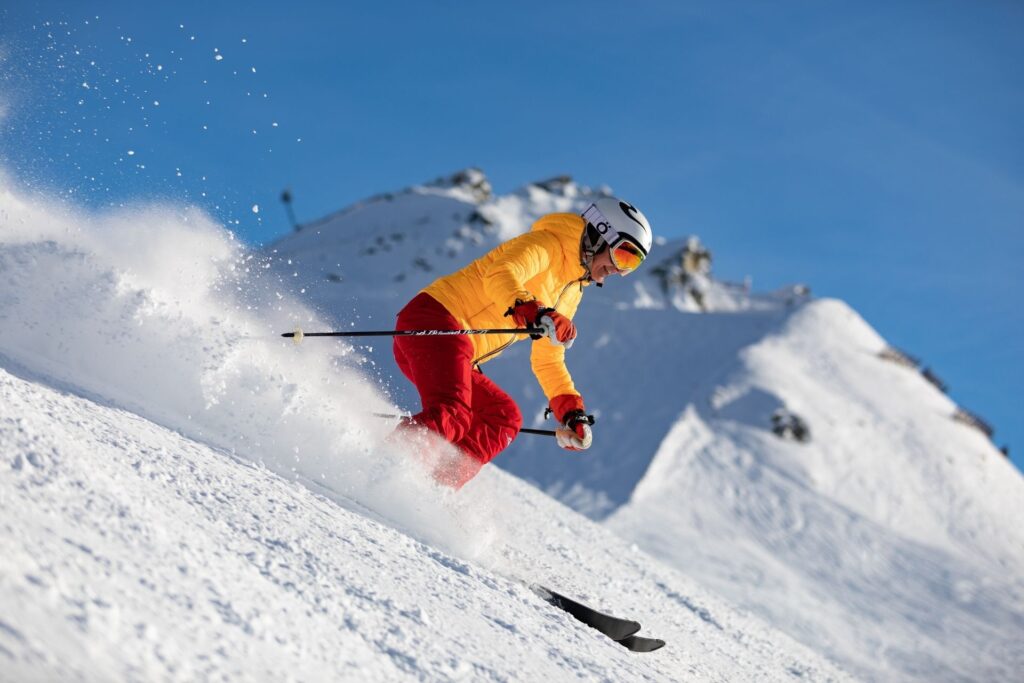
Skiing is one of the most thrilling winter sports. It doesn’t matter if you are a beginner or an experienced skier, you need to be in top shape. You will need to be well trained before you can hit the slopes. Experts recommend strength training to get in shape and prevent injuries from winter sports. Your quads, glutes, and hip muscles, as well as your back, neck, core, and back should all be emphasized. Stretching is important before you start any kind of exercise. It takes longer for muscles to warm up in cold weather.
Ski boots should be properly fitted and insoles added for support. Shoes that are well-fitted will prevent a variety of foot issues, including calluses and blisters. Athletes’ foot thrives in the warm and moist environment that ski boots provide. You should invest in several pairs of thick nylon socks, such as Smartwool. They will keep your feet warm. You should moisturize your skin frequently to prevent dry cracked heels and calluses.
Winter Appropriate Gear
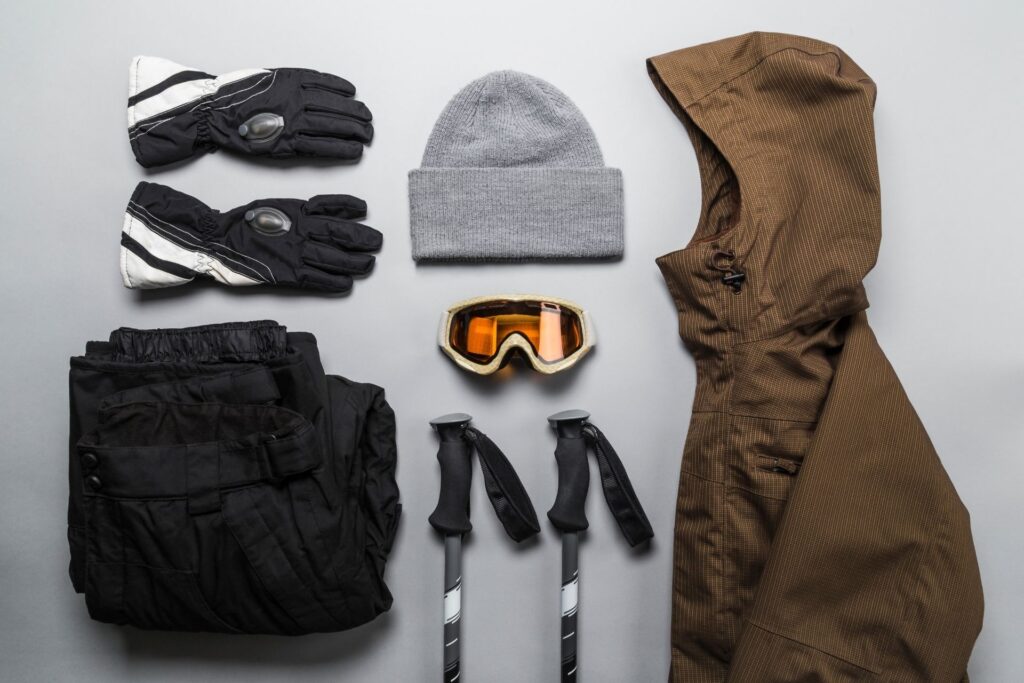
Even if you are not a skier or just take long winter walks, it is important to dress appropriately. Properly fitting footwear will prevent you from falling. To prevent slippage on icy surfaces, you might want to attach ice grips to your boots or shoes. To prevent injuries, make sure you get fitted for ice skating rental skates.
The right socks, boots, shoes can make a big difference in your enjoyment, your fitness, and even your safety. Shoes and boots that are too tight can lead to blisters. Your feet are constantly exposed to friction and pressure from the shoes. To prevent blisters or other foot problems, it is important to wash your feet daily and dry them well after exercising. You are more at risk of frostbite if you have diabetes or peripheral arterial diseases. This is because your circulation to your feet and legs may be impaired.
Ankle and Knee Injuries
Also, winter sports can be very hard on your knees and ankles. When you are skiing, skating, or snowboarding, your ankles, and knees serve as shock absorbers and brakes. They also help you steer and accelerate while you’re whizzing down the slopes. For winter sports like skiing and snowboarding, it is recommended that you use knee braces.
You can reduce the chance of getting a knee inquiry by making sure that your ski bindings have been property adjusted to your skill level. Your ability will dictate how tight your bindings should fit. You can also try to fall to the side, rather than backward or forwards, as this will be less traumatizing for your knees. Snowboarders are more likely to sustain ankle sprains or fractures due to their more twisting. You can avoid injury to your ankles by improving balance proprioception using a wobble board. Winter sports injuries can be prevented by wearing sports insoles and/or ankle taps.

Protect Yourself
We have already discussed protection and prevention. Wearing a helmet is one of the most important steps you can take to protect yourself. If your head is in danger, a minor fall could result in a serious injury. Don’t ignore any injuries. Keep checking in with your doctor and make sure you see him as soon as possible. If it isn’t addressed, a minor discomfort can become something more serious.